

Our Blog
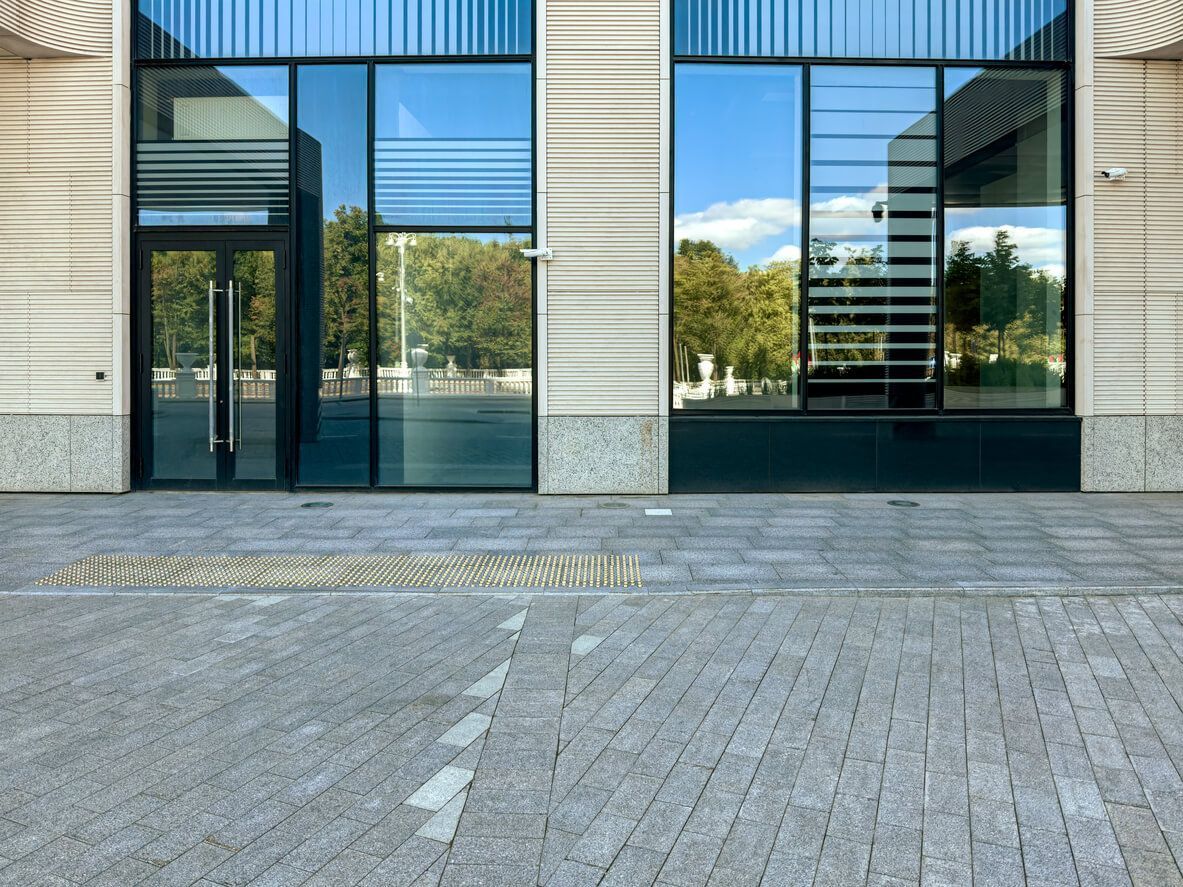
Protecting your retail space goes beyond alarm systems and security cameras. Your storefront windows represent one of the most vulnerable points in your building's security, while also serving as your business's face to the world. Whether you operate a boutique shop, restaurant, or commercial office, choosing the right window treatment impacts security, energy costs, customer comfort, and your bottom line. Two popular options for retail properties are storefront window tint and clear security film. While both offer valuable benefits, they serve different primary purposes and provide distinct advantages. Understanding these differences helps you make the right investment for your specific needs. At Premier Window Tinting in San Antonio, we help retail business owners evaluate their options and select window solutions that address their unique challenges. Let's explore the key differences between window tint and security film, their respective benefits, and how to determine which option works best for your storefront. Understanding Storefront Window Tint Storefront window tint refers to films applied to commercial glass that primarily control solar heat, reduce glare, and block UV radiation. These films come in various shades and can be reflective or non-reflective depending on your needs. Primary Benefits of Window Tint for Retail Heat Reduction and Energy Savings San Antonio's intense sun creates hot spots near storefront windows and glass doors, making the shopping experience uncomfortable for customers and expensive for business owners. Quality window tint can reduce heat gain by up to 60%, significantly lowering air conditioning costs. When customers walk through your door and immediately feel comfortable instead of overheated, they stay longer and browse more. Your HVAC system works less, reducing both energy bills and maintenance costs. UV Protection Ultraviolet radiation causes fading and discoloration in merchandise, displays, flooring, and furnishings. Window tint blocks over 99% of harmful UV rays, protecting your inventory investment and maintaining the appearance of your store interior. For retailers selling clothing, furniture, artwork, or any products displayed near windows, UV protection directly impacts product quality and reduces loss from sun-damaged inventory. Glare Reduction Intense glare from morning and evening sun makes it difficult for customers to see product displays clearly and can create uncomfortable bright spots throughout your store. Window tint eliminates this glare while maintaining natural light, creating a more pleasant shopping environment. Enhanced Privacy Depending on the darkness level, window tint provides varying degrees of privacy while still allowing natural light into your space. This works well for businesses that want to control visibility into the store while maintaining an open, welcoming atmosphere. Limitations of Standard Window Tint While window tint excels at solar control and comfort, it offers minimal security benefits. Standard tinting films don't significantly strengthen glass or prevent break-ins. If security is your primary concern, tint alone won't adequately protect your storefront. Understanding Clear Security Film Security window film focuses on reinforcing glass to prevent or delay forced entry, protect against smash-and-grab theft, and hold shattered glass together during break-in attempts or accidents. Primary Benefits of Security Film for Retail Smash-and-Grab Prevention Security films create a barrier that holds glass together even when struck forcefully. During a smash-and-grab attempt, the film prevents glass from immediately shattering and falling away, making it difficult for intruders to quickly gain access. This delay often discourages criminals who rely on speed. Many smash-and-grab attempts are abandoned when thieves encounter unexpected resistance from security film. Protection Against Glass Injury When storefront glass breaks, whether from attempted break-ins, accidents, or severe weather, security film holds the shattered pieces together. This prevents dangerous glass shards from injuring customers, employees, or passersby. For liability-conscious business owners, this protection offers important peace of mind and potentially reduces insurance claims related to glass injuries. Vandalism Resistance Security film makes it harder for vandals to damage your storefront glass. While determined vandals can still cause damage, the film significantly increases the effort required, often deterring casual vandalism. Storm Protection In severe weather, security film helps prevent window blowouts from flying debris. The film holds broken glass in place rather than allowing it to scatter throughout your store, protecting both people and merchandise. Clear vs Tinted Security Film Security films come in both clear and tinted versions. Clear security film provides all the protective benefits without changing the appearance of your storefront. This appeals to businesses that want to maintain maximum visibility and natural light while adding security. Tinted security films combine protective properties with solar control benefits, offering a hybrid solution that addresses multiple needs. Key Differences: Window Tint vs Security Film Primary Purpose Window Tint: Solar control, heat reduction, UV protection, glare elimination Security Film: Break-in prevention, glass reinforcement, shatter protection Film Thickness Window Tint: Typically 1-3 mils thick, designed for solar performance Security Film: Usually 4-15 mils thick, designed for strength and impact resistance Impact Resistance Window Tint: Minimal impact resistance, easily penetrated Security Film: High impact resistance, holds glass together when struck Installation Considerations Window Tint: Standard application to interior glass surface Security Film: Often requires edge-to-edge installation and may include anchoring systems for maximum effectiveness Cost Comparison Window Tint: Generally lower cost per square foot Security Film: Higher cost due to thicker material and more complex installation Which Option Is Right for Your Retail Space? Selecting between window tint and security film, or determining if you need both, depends on your specific challenges and priorities. Choose Window Tint If: Your primary concern is reducing energy costs and improving customer comfort You need UV protection for merchandise and displays Glare from the sun creates visibility or comfort issues You want some privacy without sacrificing natural light Break-ins and vandalism are not major concerns in your area Window tint makes excellent sense for retail spaces with large glass areas that create heat and glare problems. The energy savings often pay for the installation within a few years. Choose Security Film If: Your location experiences frequent break-in attempts or smash-and-grab incidents You store high-value merchandise near windows Your storefront has experienced vandalism You're concerned about liability from broken glass injuries You want to meet insurance requirements for security improvements Security film provides essential protection for retailers in high-crime areas or those dealing with valuable inventory displayed near street-facing windows. Consider Combination Solutions If: You face both solar control and security challenges You want comprehensive protection covering multiple concerns Your budget allows for investing in both benefits Many retail locations benefit from combination approaches. You might install security film on street-facing windows for protection while using standard solar film on other windows for energy efficiency. Alternatively, tinted security films offer both benefits in a single product. What About Decorative and Privacy Options? Beyond basic window tint and security film, retail businesses can also consider: Frosted Films Frosted window films provide privacy while allowing natural light transmission. These work well for offices, service counters, or storage areas where you want to block visibility without darkening the space. Decorative Films Custom graphics, patterns, and branded designs can be incorporated into window films, creating visual interest while providing functional benefits. These options help with branding and aesthetics while potentially offering privacy or solar control. One-Way Mirror Films These films allow you to see out clearly while limiting visibility into your store. They work best in specific lighting conditions and can reduce the "come in and browse" appeal of retail spaces, so consider your business model carefully. Professional Installation Makes the Difference Whether you choose window tint, security film, or a combination solution, professional installation is essential for optimal performance. DIY installation of security film rarely achieves the proper adhesion or edge-to-edge coverage needed for effectiveness. Poorly installed security film may peel, bubble, or fail to hold glass together as intended. Similarly, window tint requires proper surface preparation, precise cutting, and expert application to avoid bubbles, gaps, or premature failure. At Premier Window Tinting, our experienced team has installed thousands of square feet of commercial window film throughout San Antonio. As an authorized 3M™ dealer, we work with industry-leading products backed by comprehensive warranties. Additional Considerations for Retail Spaces Local Building Codes and Regulations Some municipalities have specific requirements or restrictions regarding window tinting darkness levels or reflectivity on commercial properties. Always verify local codes before making your selection. Insurance Requirements Some insurance policies offer discounts for security improvements like protective window film. Check with your insurance agent about potential savings that might offset installation costs. Conversely, some policies may have specific security requirements to maintain coverage. Security film might help you meet these requirements. Lease Agreements If you rent your retail space, review your lease agreement regarding window modifications. Most window films can be removed without damaging glass, but some landlords have specific policies about tenant alterations. Lighting and Aesthetics Consider how your window film choice affects both interior and exterior appearance. Very dark tints might make your store look closed or unwelcoming during the day, while clear options maintain maximum visibility. Test samples in your actual lighting conditions before committing to a full installation. Maintenance and Longevity Both window tint and security film require proper maintenance for optimal longevity. Cleaning Guidelines: Use ammonia-free, tint-safe cleaning products Clean with soft microfiber cloths Avoid abrasive materials or sharp objects Follow manufacturer-specific care instructions Expected Lifespan: Standard window tint: 7-10 years Premium ceramic tint: 10-20+ years Security film: 10-15 years With proper care and professional installation, quality window films provide years of reliable performance and protection. Making Your Decision Choosing between storefront window tint and security film comes down to identifying your primary needs: For solar control, energy savings, and customer comfort , window tint delivers excellent value and quick return on investment through reduced cooling costs. For security, break-in prevention, and liability protection , security film provides essential reinforcement that standard tint cannot match. For comprehensive protection addressing both concerns, consider either tinted security film or a combination approach using different films for different applications. At Premier Window Tinting , we offer free estimates for commercial window film installations throughout San Antonio. Our team evaluates your specific situation, discusses your priorities and budget, and recommends solutions tailored to your retail space. With 30+ years of experience installing 3M™ window films for commercial properties, we understand the unique challenges facing retail businesses. Whether you need basic solar control, advanced security protection, or custom solutions combining multiple benefits, we have the expertise and products to meet your needs. Ready to protect your storefront while improving comfort and reducing costs? Contact Premier Window Tinting today for a free consultation and estimate. We'll help you choose the right window film solution for your retail business.
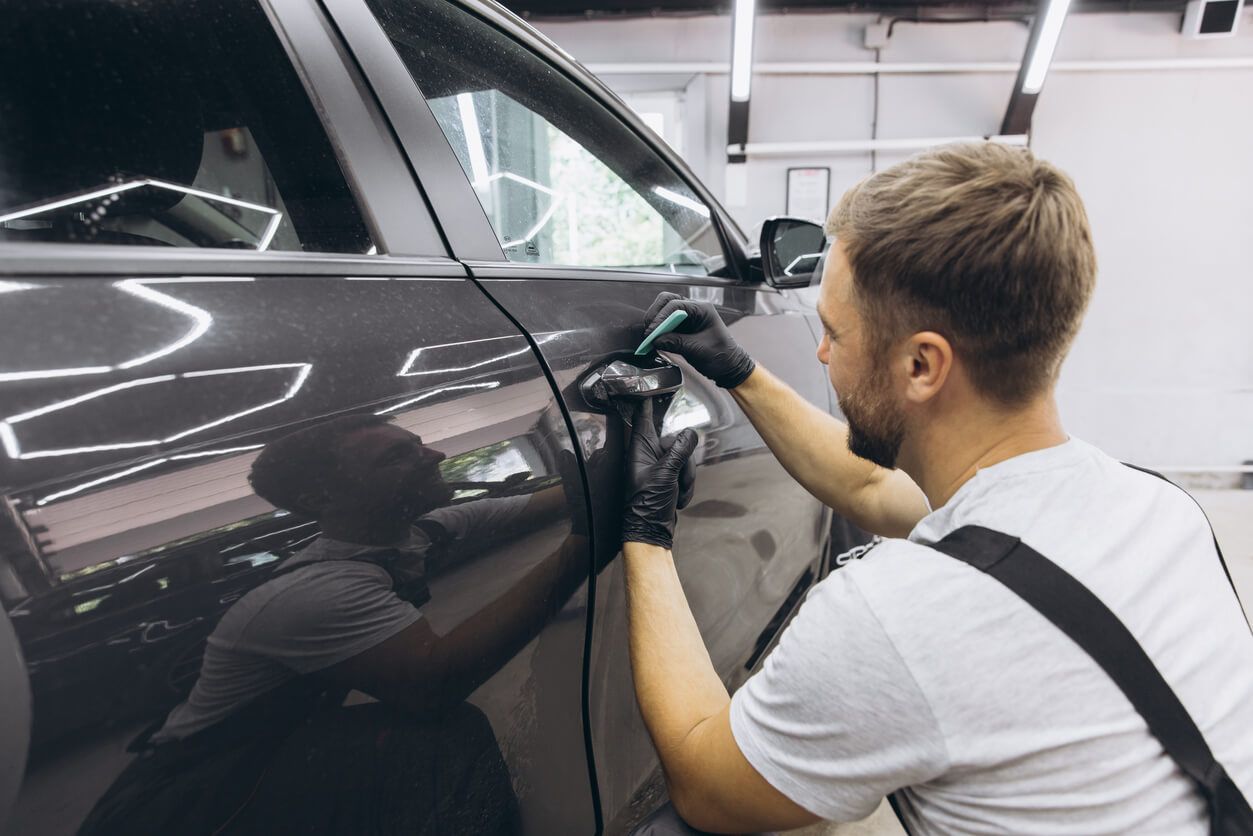
Advantages of ceramic coating explained discover how it protects car paint, boosts shine, repels dirt, and reduces maintenance for long lasting results.
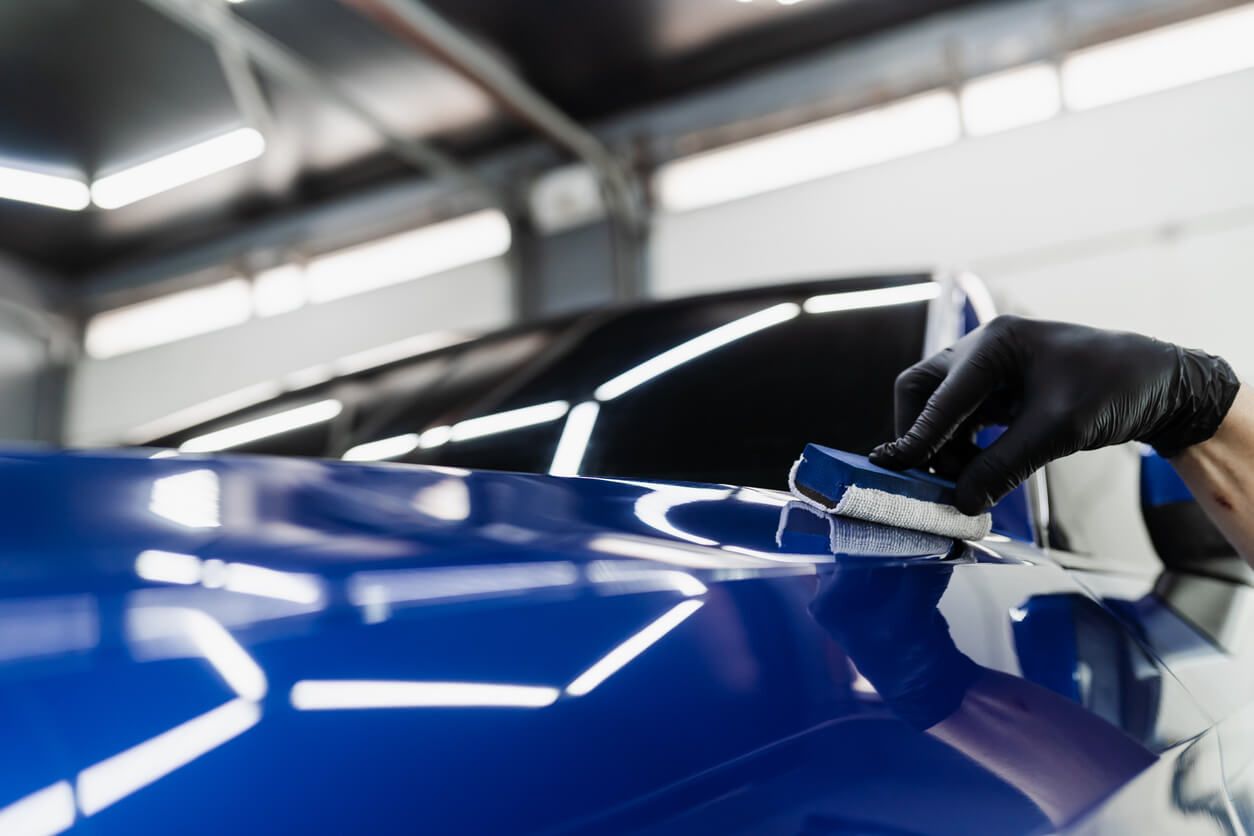
Looking for paint protection film near me in San Antonio? Premier Window Tinting installs self-healing PPF in gloss, matte, or color with warranty.
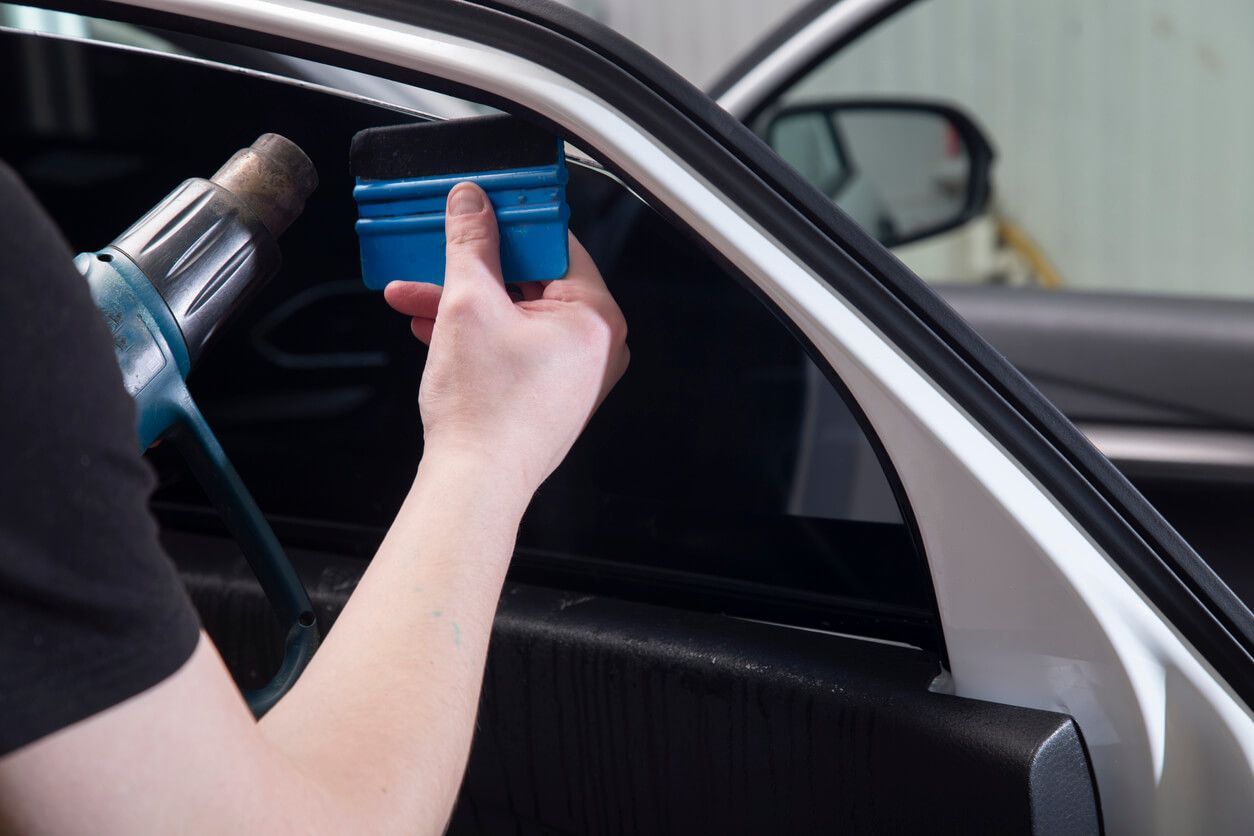
Affordable auto tinting San Antonio drivers rely on for quality window film, expert installation, enhanced privacy, and long-lasting UV and heat protection.
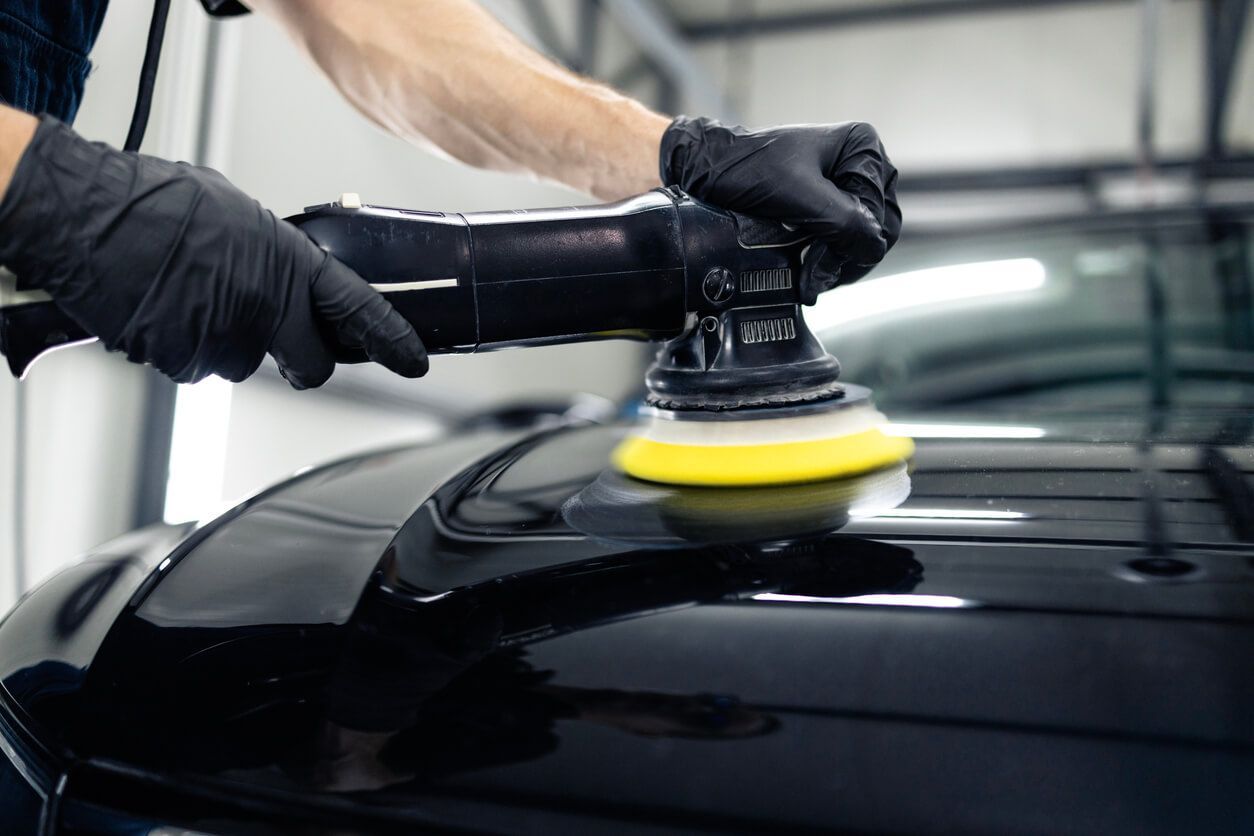
Looking for the best ceramic coating services in San Antonio? Learn what to check, pricing tips, and how to choose a trusted pro for lasting shine.
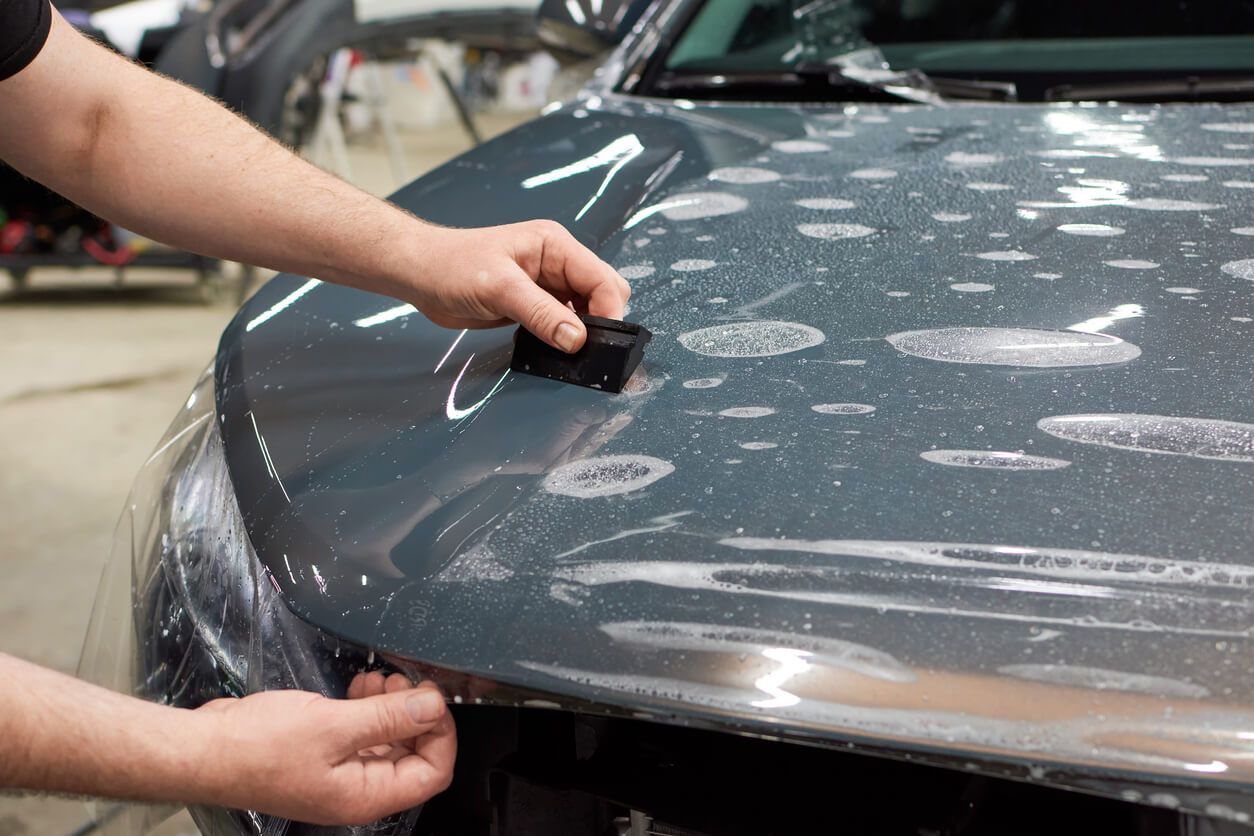
Is clear bra paint protection worth it? Learn the pros, costs, and benefits to decide if PPF is the right investment for protecting your car’s finish.
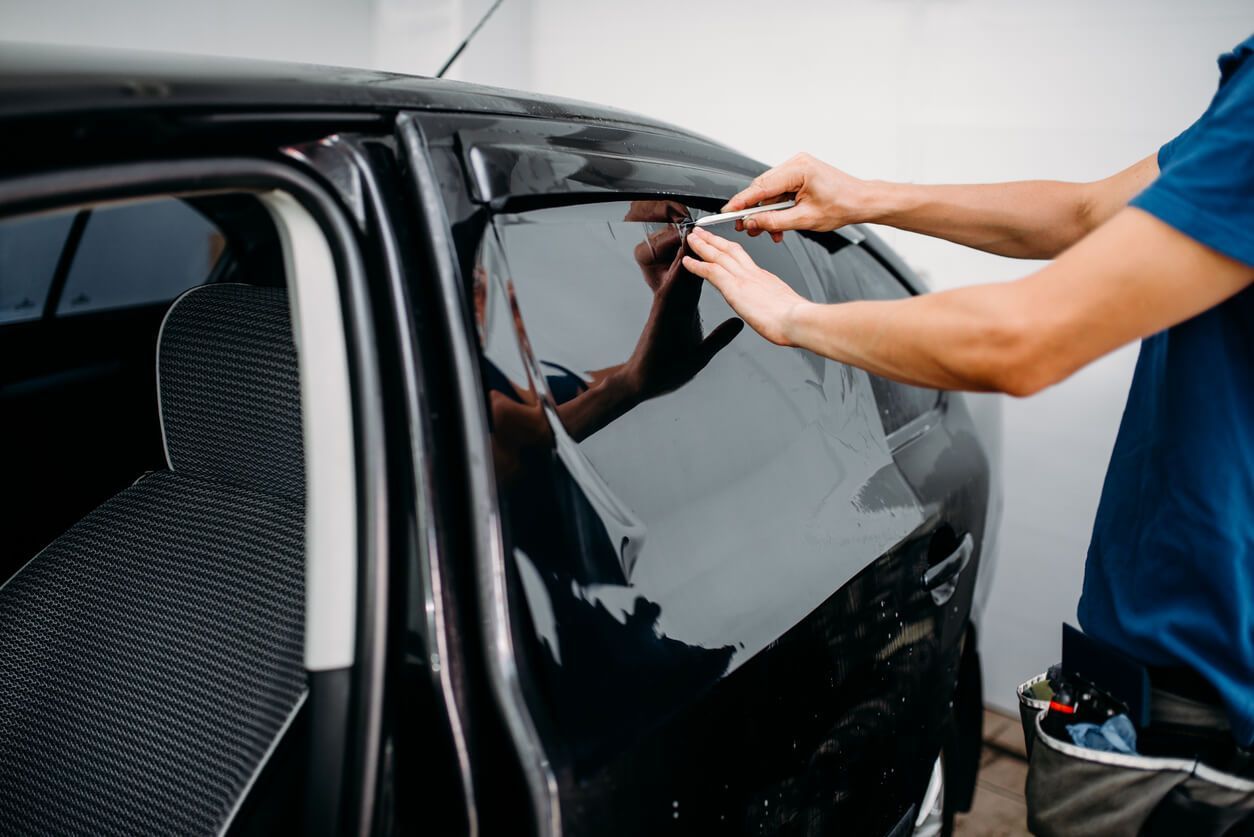
Looking for car window tinting near you? Discover how to find trusted local experts, compare services, and get quality tinting at the right price.
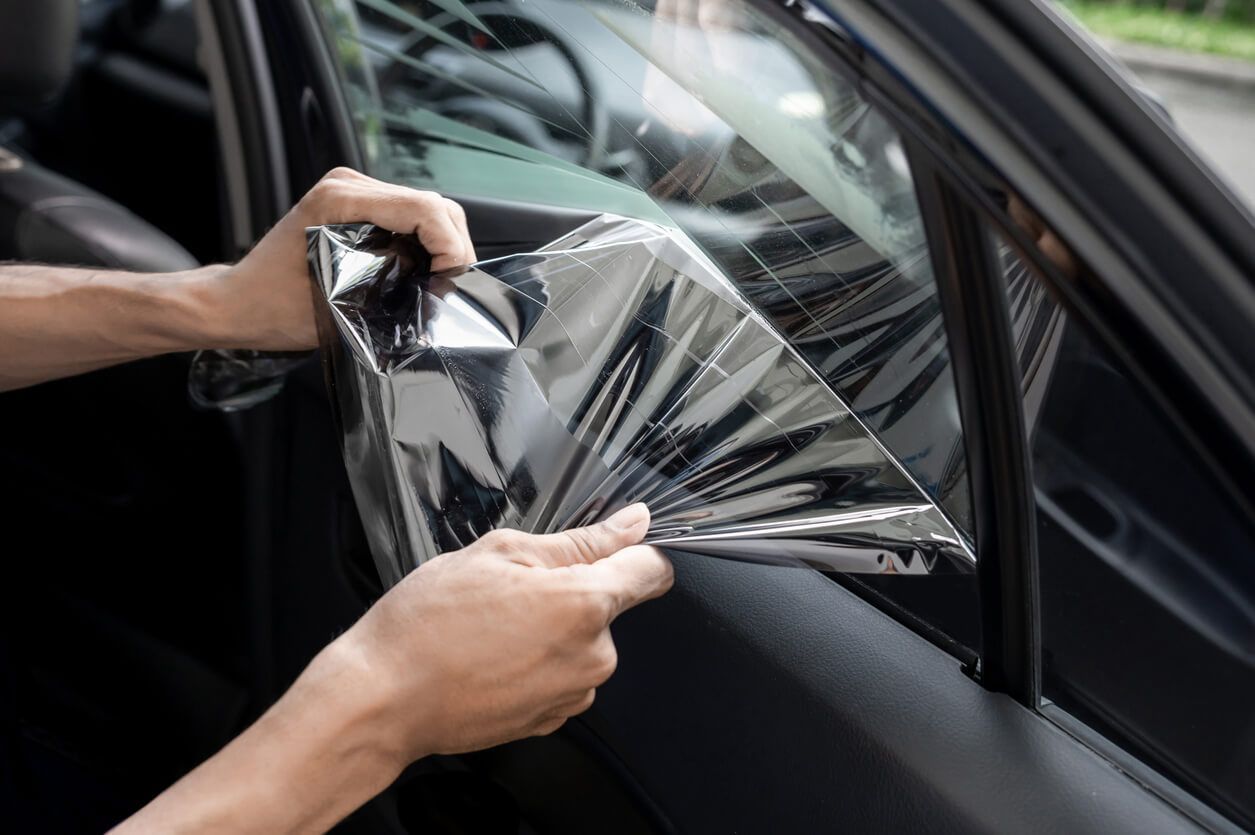
Discover if DIY window tinting is right for you or if hiring a pro is better. Learn tips, risks, and benefits to make the best choice for your car.
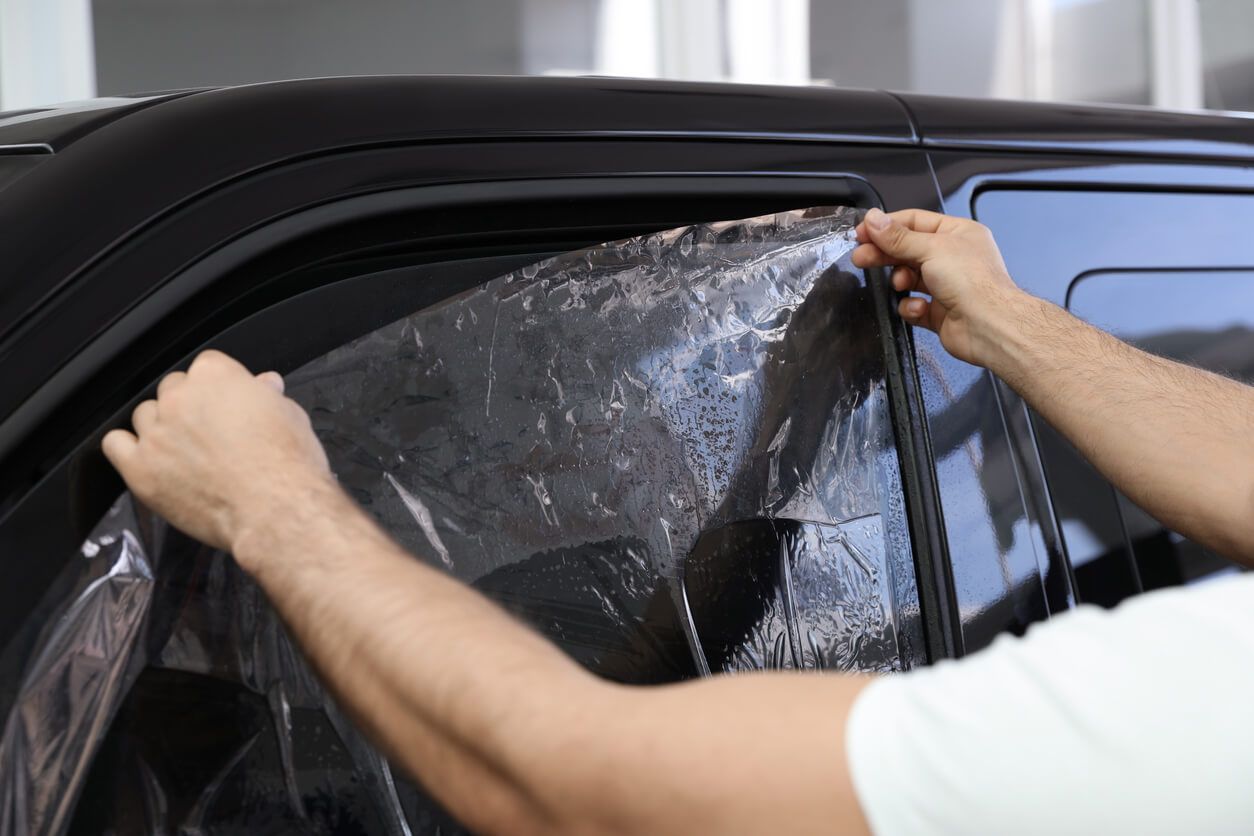
Learn about car window tint percentages and find the perfect shade for your vehicle. Make an informed choice for style, comfort, and privacy.
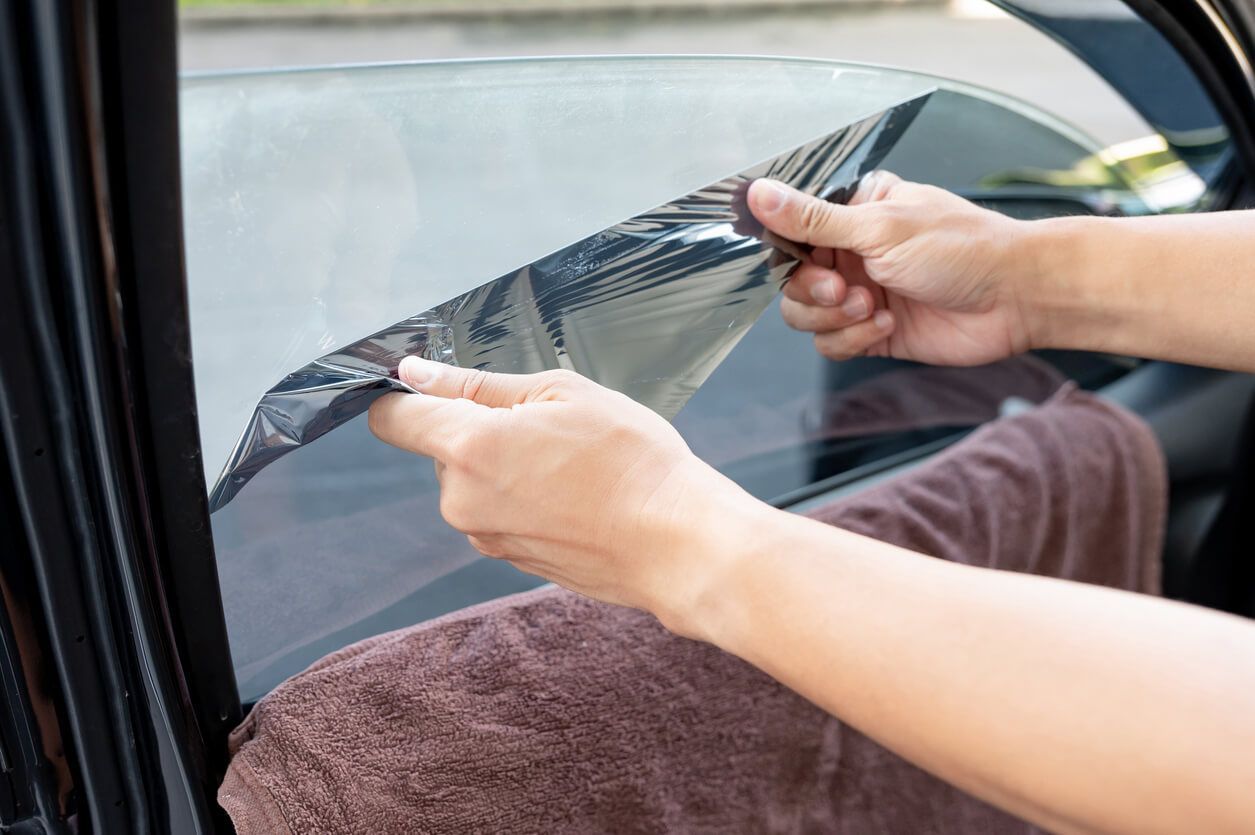
Learn how much house window tinting costs, explore factors affecting pricing, and find the best options to protect your home and save energy.
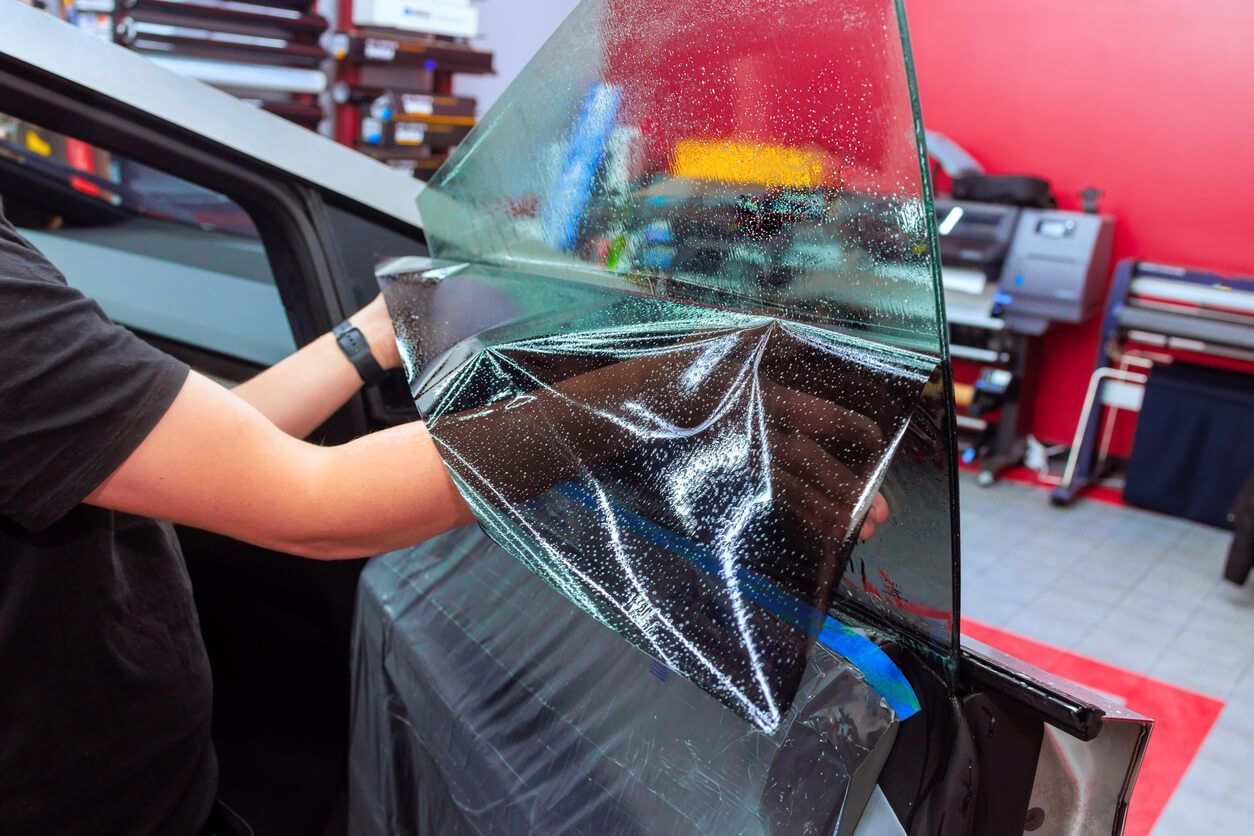
Discover the best car window tint options ceramic, carbon, and more to boost style, comfort, and UV protection. Find your perfect tint today!
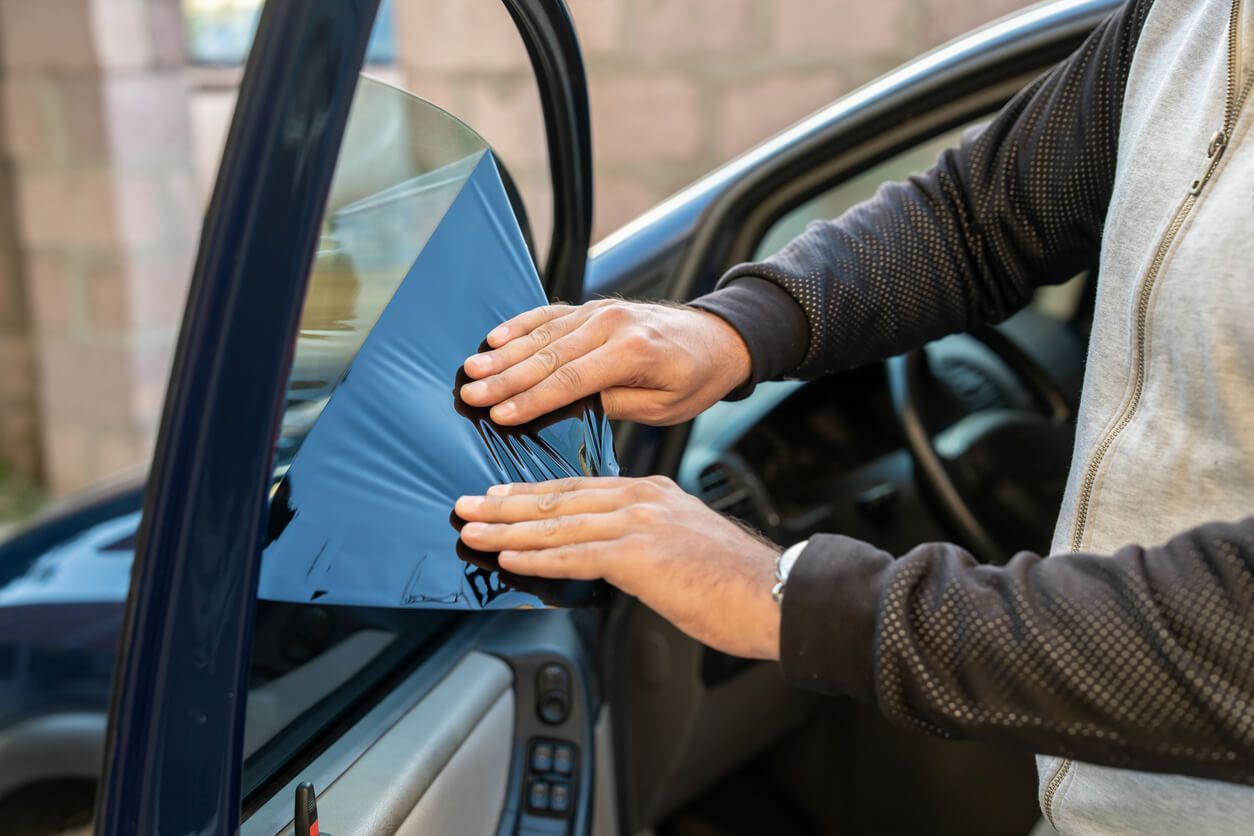
Does your once flawless window tint now look bubbly and distorted, obscuring your view? Imagine trying to look outside through a window clouded with peeling tint—fuzzy images and reduced clarity make your daily environment less pleasant. Such deteriorating window film not only looks unattractive but fails to protect against UV rays and maintain privacy. Understanding how to properly remove this old tint not only revives the look of your windows but also restores their functional benefits, making your space more comfortable and energy-efficient. What Are the Signs Your Window Tint Needs to Removed? Window tint lifespan can vary, but there are clear indicators when it's time to remove it: Bubbling or Peeling Tint: These are signs that the adhesive is failing. Peeling tint can reduce visibility, which might compromise safety. Fading or Discoloration: Sun exposure causes tints to fade, reducing their effectiveness in blocking harmful UV rays and heat. Scratches or Damage: Damage from sharp objects or improper cleaning techniques can significantly reduce the aesthetic appeal of your tinted surfaces. Improper Installation: This might manifest as air bubbles or uneven lines, indicating the tint film was not applied correctly. Outdated Tint: Over time, tint materials can degrade or become non-compliant with current tinting laws, necessitating their removal. Can You Remove Tint by Yourself? Yes, you can remove window tint by yourself, but it requires careful preparation and execution to avoid damage to the glass or surrounding surfaces. By following detailed steps that involve gathering the right tools such as a flat razor blade, soapy water, and ammonia-based solutions, you can effectively remove the tint. However, it's important to consider the potential risks, such as scratching the glass or leaving adhesive residues, particularly if you're inexperienced. While DIY methods can be cost-effective, turning to professional services guarantees a clean and safe removal process without the risks associated with doing it yourself. Is Removing Window Tint Difficult? Removing window tint can be moderately challenging, especially if you're attempting it for the first time without professional experience. The difficulty largely depends on the type and condition of the tint, as older films tend to be more brittle and have adhesives that are harder to break down. Successfully removing window tint requires careful preparation, appropriate tools, and a methodical approach to prevent damage to the glass and avoid leaving adhesive residues. While it's possible to do it yourself, some may find the process time-consuming and potentially frustrating, making professional removal services an appealing option for a hassle-free experience. How to Remove Window Tint from Your Home or Office Effective window tint removal from glass surfaces in residential or commercial settings requires meticulous preparation and execution to mitigate potential damage to the surfaces. Proper removal techniques help preserve the integrity of the glass while ensuring a clean removal process. Step 1: Gather Necessary Materials Begin your window tint removal by gathering essential tools such as: Ammonia solutions Flat razor blade High-quality cleaning solutions A couple of paper towels Having all necessary materials ready beforehand streamlines the process, making sure it is efficient and orderly. This preparatory step is pivotal in facilitating smooth and quick tint removal from glass surfaces. Step 2: Protect the Surrounding Area Use robust drop cloths to cover interior furnishings and floors, and apply water displacers to protect sensitive components from potential splashes of cleaning solutions. This protective step is essential to minimize the need for extensive cleaning efforts after the tint is removed from the windows. By safeguarding the surrounding areas, you also protect the property from accidental damage during the tint removal process. Step 3: Peel and Scrape the Film Initiate the removal by carefully peeling the window film at one corner with the aid of a sharp razor blade. If the tint film resists easy peeling, utilize a hair dryer to emit gentle heat, thereby loosening the adhesive without inflicting damage on the glass. This method allows for easier scraping of the film while preserving the quality of the window. Step 4: Apply Soapy Water Generously spray a dish soap solution onto the glass using a spray bottle to soften any leftover adhesive residue. This application of soapy water facilitates the loosening of the remaining adhesive, making it significantly easier to scrape off completely. The soap acts as a gentle yet effective solvent for dissolving the sticky residues. Step 5: Clean With Ammonia-Based Solution Following the tint peel, administer a diluted ammonia solution to the glass to tackle any stubborn tints that cling to the surface. This step ensures that even the most resistant layers of tint and adhesive are effectively removed, leaving the glass impeccably clean. Step 6: Wipe and Dry the Windows Conclude the process by applying a high-quality glass cleaner, followed by wiping with fresh paper towels to dry and polish the windows. This final step guarantees that the windows are not only tint-free but are left sparkling without any residual glue or streaks. How to Remove Tint From Car Windows Removing window tint from automobile glass requires a specialized approach to safeguard electronic components and interior upholstery from damage. Step 1: Create a Soapy Detergent Spray Prepare a simple yet effective lubricating agent by filling a spray bottle with a mix of clean water and dish soap. This solution of soapy water acts as a lubricant on the tint film, easing the subsequent peeling steps. Step 2: Cover With Plastic Sheeting Once the tint film is soaked with soapy water, cover it with a sheet of plastic to prevent the solution from evaporating. Keeping the film moist ensures the adhesive stays soft, simplifying the removal process. Step 3: Heat the Window Apply a gentle flow of heat using a hair dryer or a fabric steamer to the window. This warmth helps loosen the tint adhesive, allowing the tint film to be peeled off more cleanly and efficiently from the car's glass. Step 4: Peel Off the Tint Carefully Start peeling the window tint cautiously, using plastic scrapers instead of metal to lift stubborn sections of the film. This careful peeling helps ensure the glass remains unscratched and intact during the removal process. Step 5: Remove Adhesive Residue Address any remaining adhesive on the glass with either a homemade cleaning mix or a professional window tint removal spray. These solutions help thoroughly clean the glass surfaces so that they are clear and free of sticky residues. Step 6: Clean and Dry the Window Finish the tint removal by thoroughly cleansing the window with a reliable window cleaner and then drying it with a soft, dry towel. This makes the glass perfectly clear, without any streaks or remaining adhesive. How Much Does Window Tint Removal Cost? The costs associated with window tint removal vary depending on whether the removal is done professionally or through DIY methods. Professional installation and removal services for residential and commercial properties typically range between $3 to $6 per square foot, depending on the old tint quality and window size. For DIY enthusiasts, purchasing a window tint removal kit may cost between $20 and $50, a much cheaper option compared to professional services. Car tint removal at professional tint shops can be estimated between $50 and $250, whereas handling it yourself with a kit and tools might only set you back $15 to $30. However, while DIY methods can provide a more economical option for window tint removal, improperly handled tint removal can lead to costly mistakes such as scratched glass or damaged defrosters. Professional removal ensures that your tint is removed cleanly and safely without risking damage to your windows or vehicle. Ready to Clear Your View? Premier Window Tinting At Your Service! Effective window tint removal is an essential maintenance aspect that should not be overlooked, as it directly affects visual comfort, privacy, and protection. If you are worried about the complexity of the task, Premier Window Tinting can help . Our experienced technicians, equipped with the best tools and techniques, ensure that every removal job is performed with precision and care. Trust us to efficiently restore your windows' clarity and functionality. Book your service with us now and witness how we transform your tinted windows with professionalism and expertise.

Stay Cool and Comfortable: Beat the Texas Heat with Professional Window Tinting
Choose 3M Window Tint for Excellence
Secure Your Property with Window Film

Transform Your Home with Window Tinting
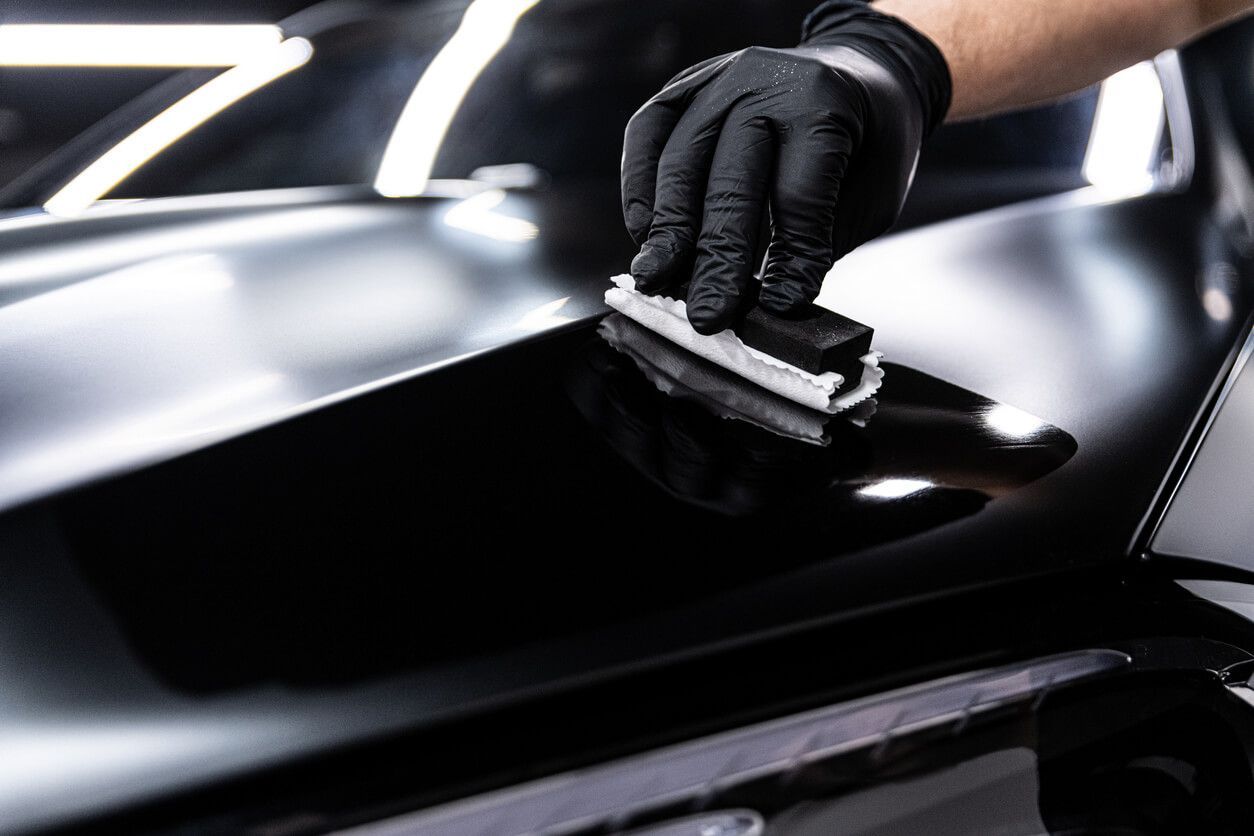
Discover the top 10 benefits of ceramic coating your car—enhance shine, protect paint, and make maintenance easier with long-lasting results.
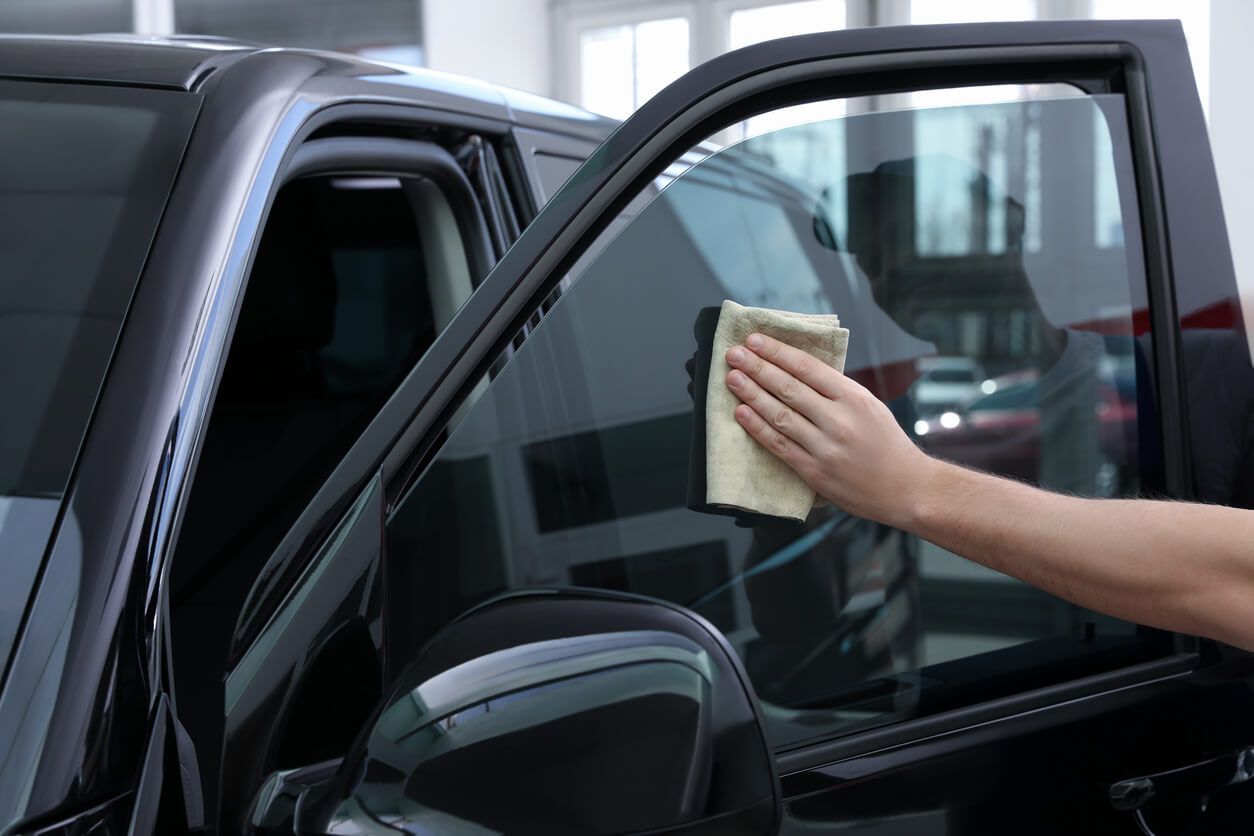
Choosing the best car window tinting service in San Antonio means knowing what to look for—quality, experience, and reviews. Discover your options today!
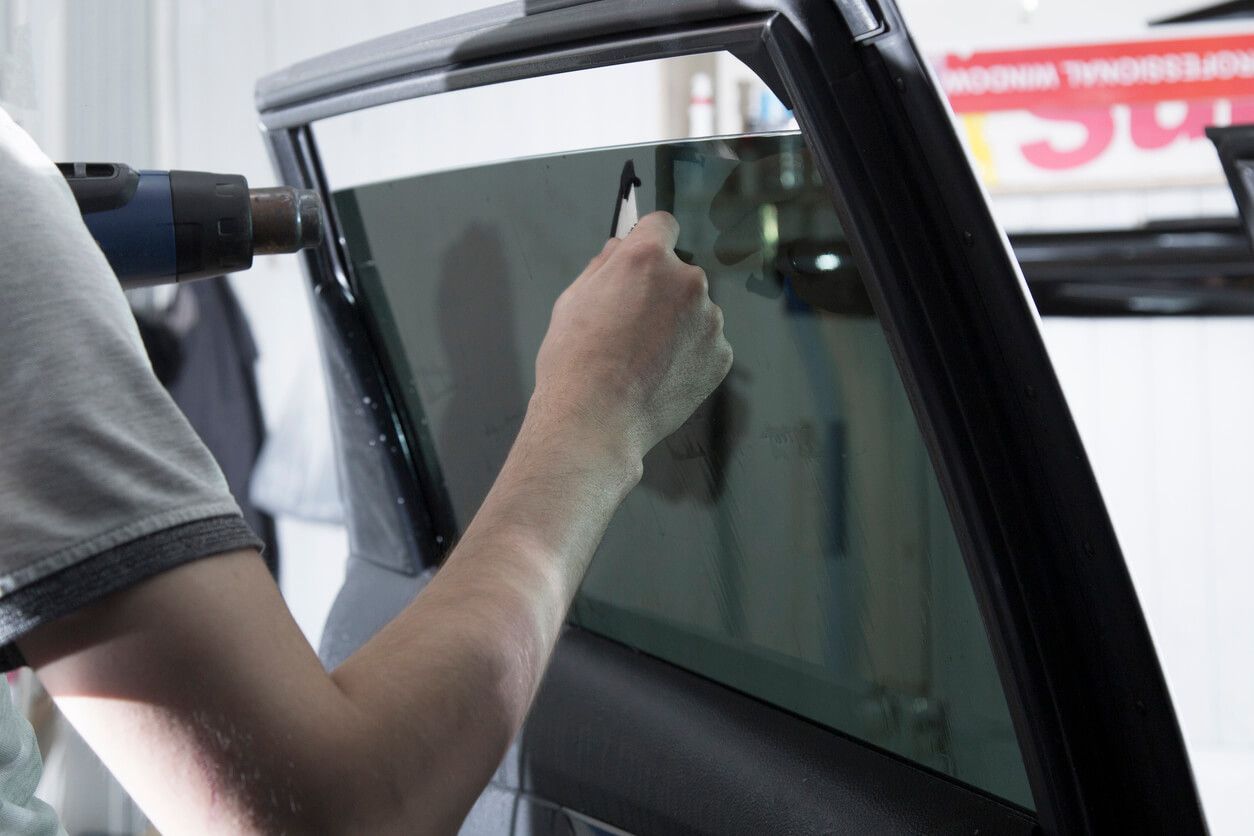
Explore this car window tinting guide to learn about benefits, types, and installation tips. Find the best tint for your car. Read more today!
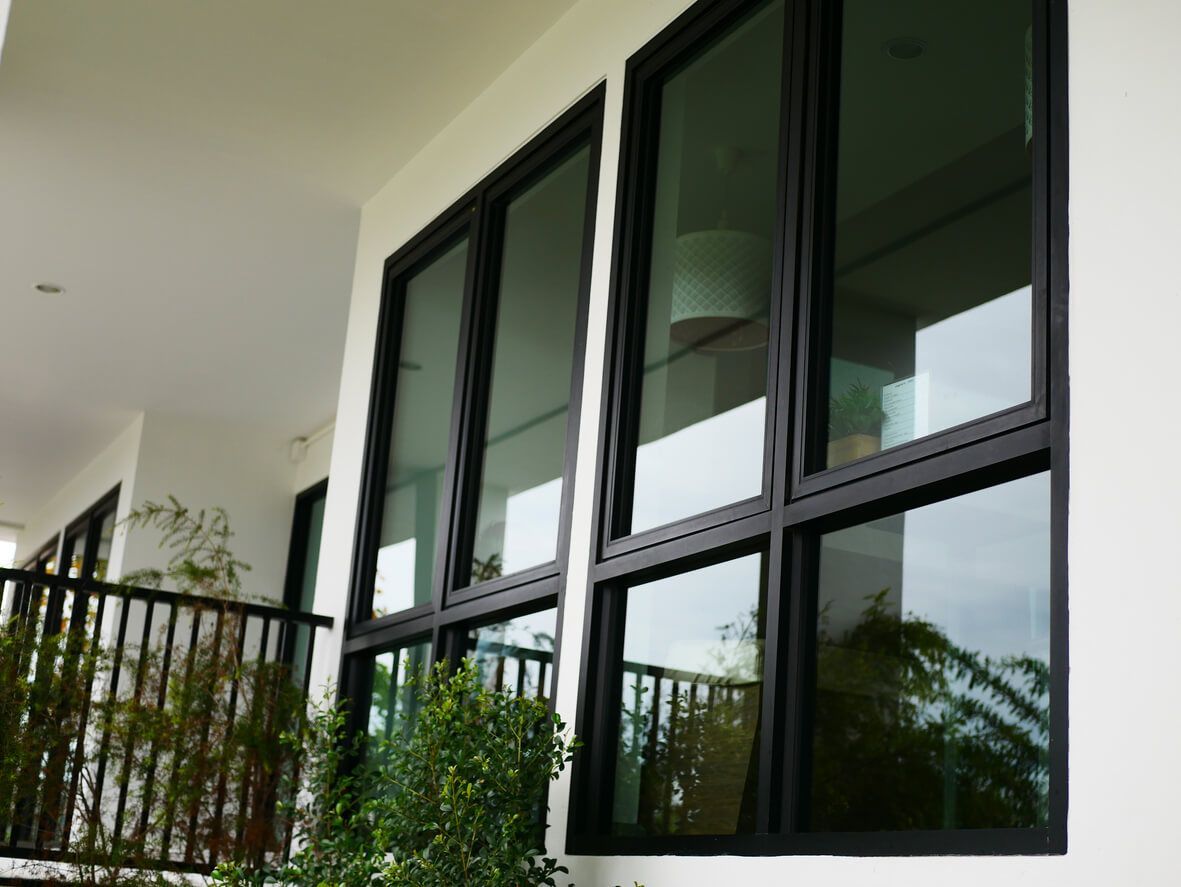
Enhance privacy day and night with home window tinting. Enjoy UV protection, energy savings, and a stylish look while keeping your interiors secure.
Contact Us
Contact Us
3623 E. Evans Rd. Suite 113
San Antonio, Tx 78259
(210) 497-6007
admin@premierwindowtinting.com